Beekeeping Class Compared: 5 Top Formats for New Beekeepers
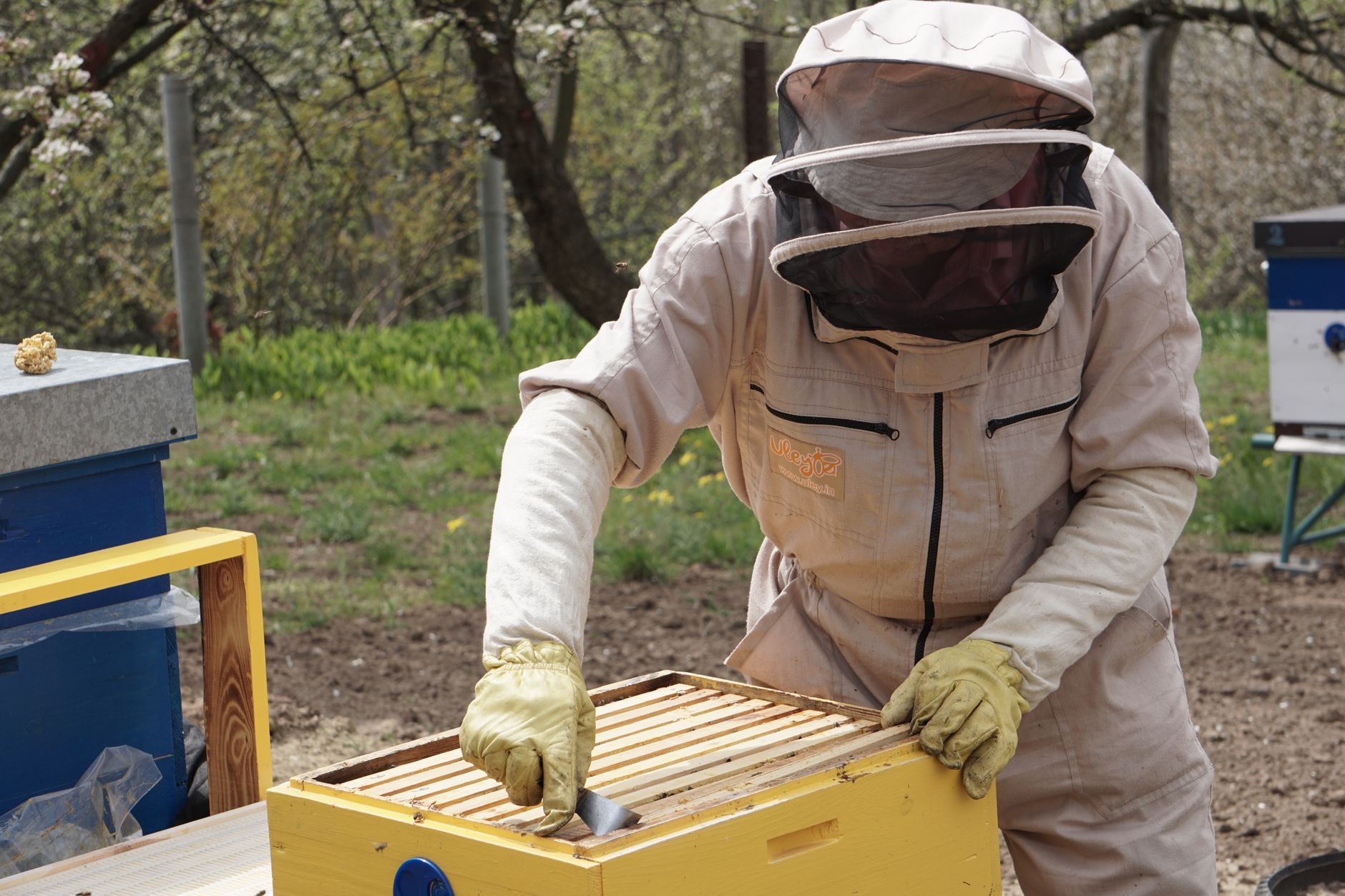
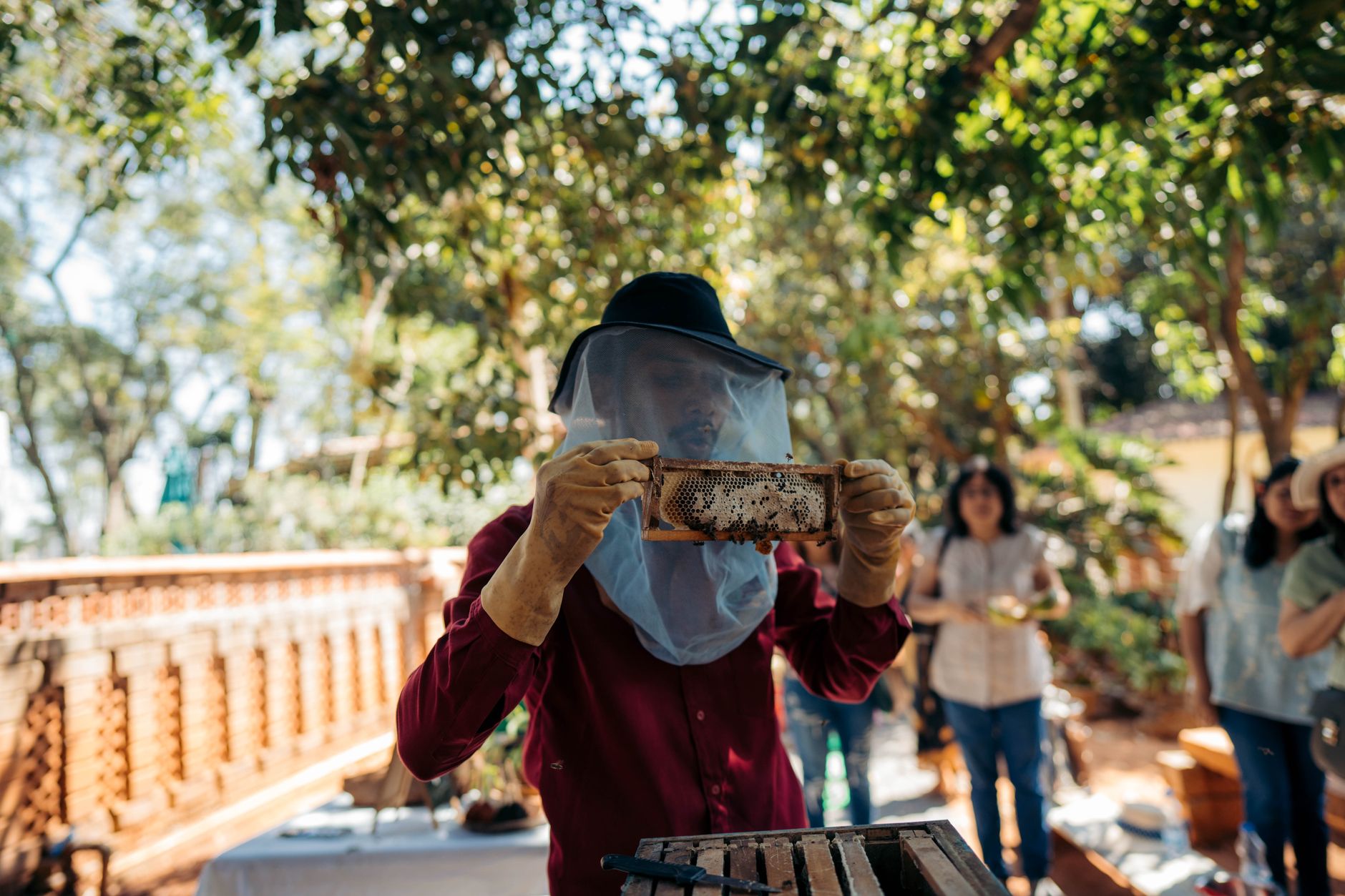
Quick Answer: Start with a local association beekeeping class that includes a field day. It costs $50 to $150 and gives you mentors plus real hive time. Online university courses teach varroa and bee biology well. Hands-on workshops build confidence. Skip master certification until you have kept bees for at least one full season. A beekeeping class is the cheapest insurance you can buy before assembling your first hive. USDA survey data shows managed honey bee colony losses in the United States have hovered around 48 percent in recent years. That number is not just a beginner problem. Even experienced keepers lose hives to varroa mites, failing queens, and winter stress. A structured class teaches you how to spot these problems before they kill a colony. The USDA Agricultural Research Service and state extension programs both point to education as a major factor in overwintering success. For a full setup guide, see our complete beginner’s guide to starting your first honey beehive. ...